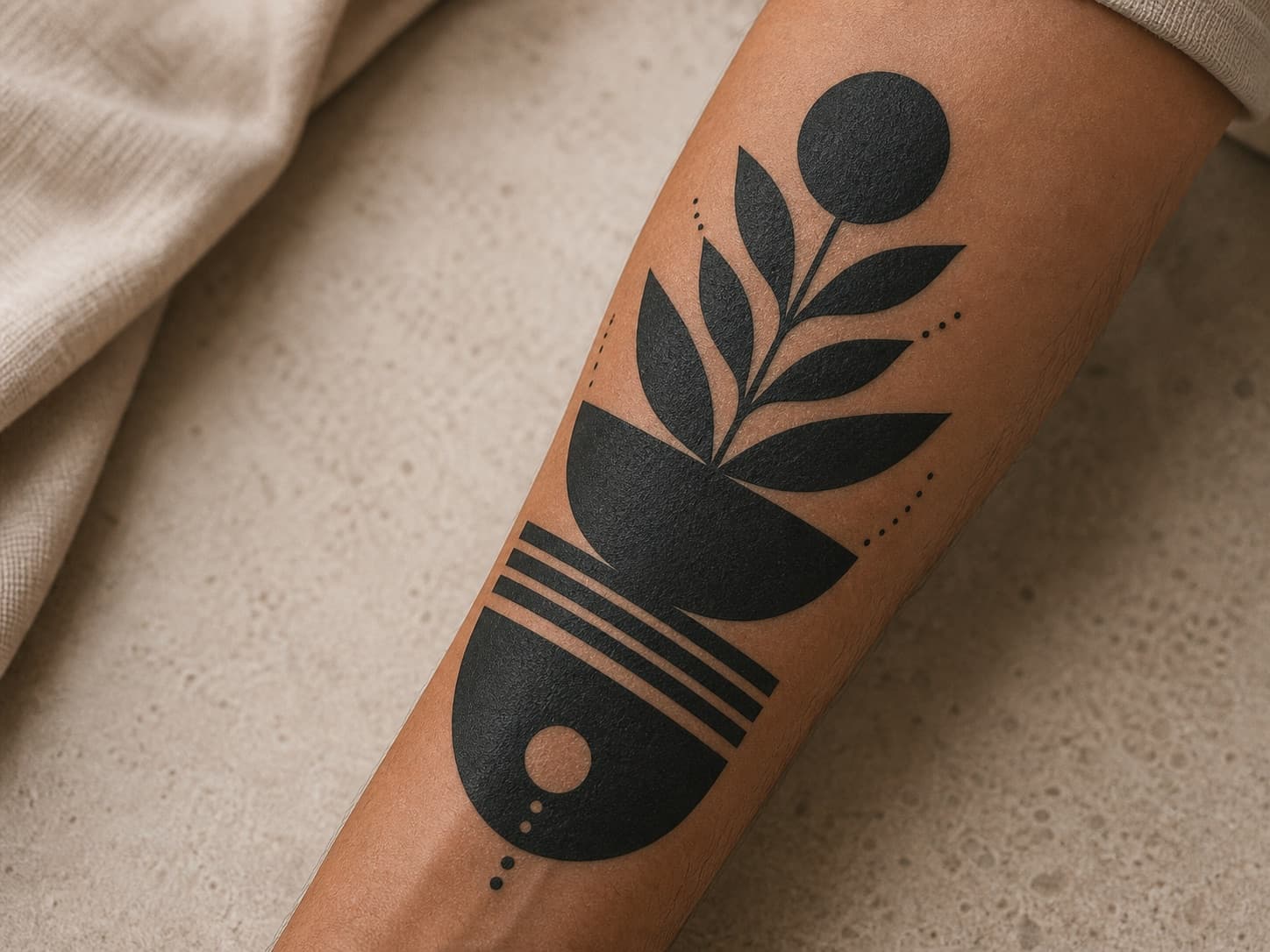
Decision dataThe full read on blackwork tattoo aging
| Signal | Verdict | Why it matters |
|---|---|---|
| Pain | Placement-dependent | Session comfort and placement intensity |
| Visibility | Placement-dependent | How noticeable the tattoo may be |
| Durability | Low to medium | Long-term visual readability |
| First-timer fit | Depends | Beginner planning fit |
| Best placements | Forearm, Upper arm, Leg, Back | Where this idea tends to work |
| Best styles | Bold shapes with clean negative space | Styles that match the decision |
Fit check
Pros & cons at a glance
Works well when
- Risk level: Low to medium
- Main risk: Very dense fills or tiny negative spaces can become less crisp.
- Better options: Forearm, Upper arm, Leg, Back
Watch before choosing
- Risk level: Low to medium
- Main risk: Very dense fills or tiny negative spaces can become less crisp.
- Better options: Forearm, Upper arm, Leg, Back
Search questions covered
- Do Blackwork Tattoos Age Well?
- Blackwork Tattoo Aging fading risk
- Blackwork Tattoo Aging better placements
Before you choose
What to know first
Do blackwork tattoos hold up well?
Blackwork tattoos often stay visually readable because they rely on strong contrast, but spacing still matters.
Why tiny details can change over time
Very small details, tight spacing, and low contrast can become harder to read visually over time.
Best placements for durability
- Forearm
- Upper arm
- Leg
- Back
Show more detail
Placements to be careful with
- Fingers
- Palms
- Very small areas
Design choices that may hold up better
- Bold shapes with clean negative space
- Leave enough negative space.
- Avoid squeezing too much detail into a tiny area.
Pros and cons
- Risk level: Low to medium
- Main risk: Very dense fills or tiny negative spaces can become less crisp.
- Better options: Forearm, Upper arm, Leg, Back